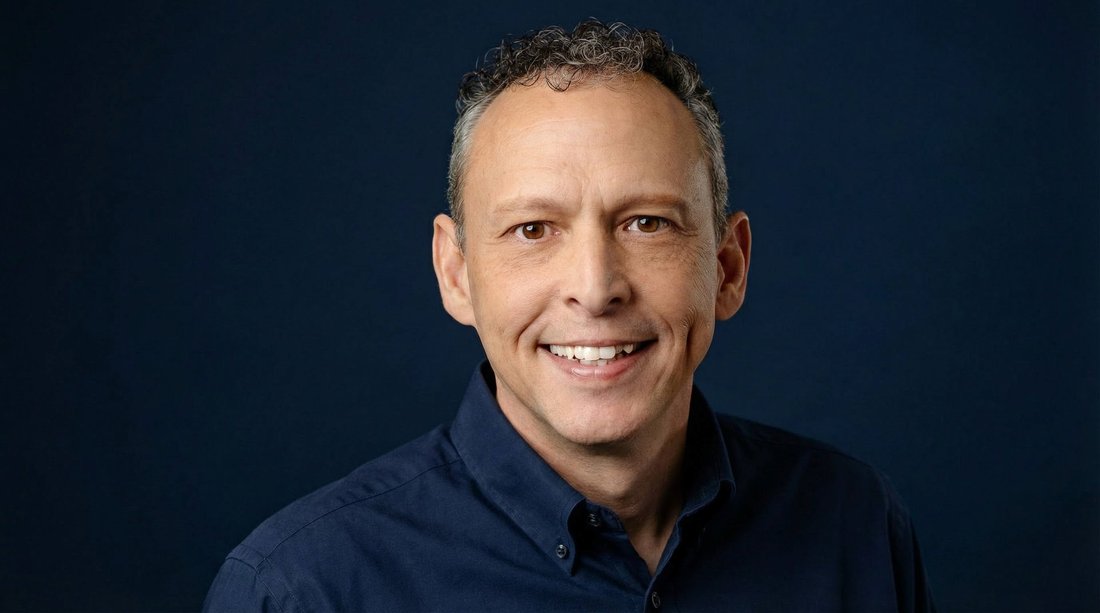
Some people find their calling through a single defining moment. For Patrick, it was a slow burn — a career spent asking one persistent question: What makes people thrive at work, and how do we build organizations that actually let them?
That question first took shape during his years at the Accenture Institute for High Performance, where he studied what separated the world's most successful companies from the rest. It wasn't just strategy or technology. It was people — how they were led, how they were developed, and how they were empowered to do meaningful work. That insight became the foundation of everything that followed.
Patrick went on to serve as Vice President at Wolters Kluwer Health, where he led global teams through large-scale transformation initiatives. In the boardroom, he saw firsthand how organizational decisions — good and bad — ripple through the lives of thousands. He learned that leadership isn't about having the right answers; it's about creating the conditions where the right answers can emerge.
But Patrick wanted to go deeper. He earned his PhD in Industrial-Organizational Psychology from the University of Delaware, grounding his practical experience in rigorous science. It's this combination — the strategic lens of a Fortune 500 executive and the analytical rigor of a behavioral scientist — that makes his perspective on artificial intelligence genuinely different. Where many AI experts focus on the technology itself, Patrick starts with the human: How do people learn? How do they adapt? What does it take to build trust between humans and machines?
Today, as AI Faculty Lead at Hult International Business School, Patrick teaches the next generation of global business leaders how to navigate a world being reshaped by artificial intelligence. His courses don't just cover algorithms and automation — they explore the psychology of change, the ethics of augmentation, and the leadership skills required to guide organizations through the most significant technological shift of our lifetimes.
If you've ever watched Patrick speak, you'll notice something unusual: he talks about AI the way an endurance athlete talks about a race. That's no accident. Patrick is an Ironman triathlete, a Boston Marathon qualifier, and a finisher of the legendary Leadville Trail 100 — a hundred-mile mountain bike race through the Colorado Rockies at over 10,000 feet of elevation. These aren't just hobbies. They are laboratories for the very qualities he studies and teaches: resilience, mental toughness, the willingness to push through discomfort, and the discipline of showing up day after day when the finish line is still impossibly far away.
For Patrick, endurance athletics and the future of work share the same core truth: the people who thrive are not the ones who avoid difficulty — they are the ones who learn to move through it with purpose. In a world where AI is changing everything, that lesson has never been more important.
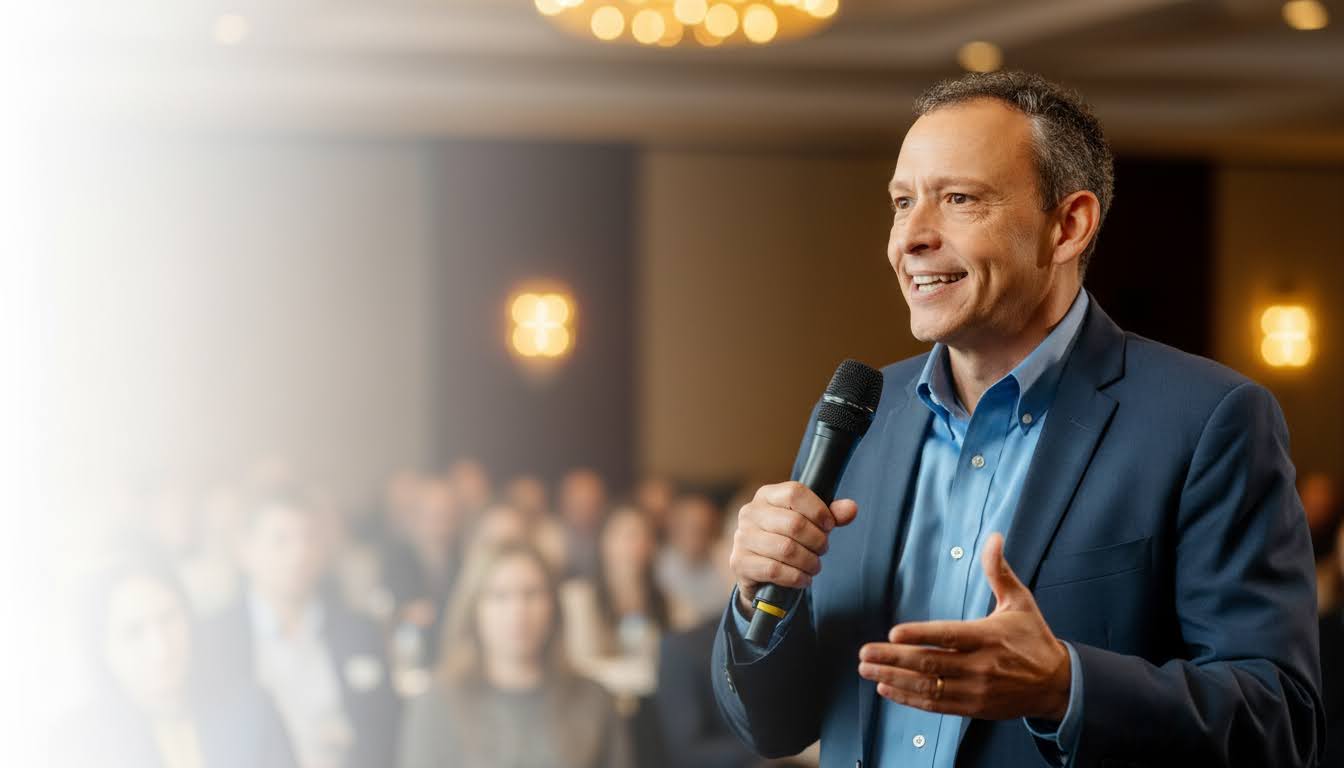
His passion is human-AI collaboration — not AI that replaces people, but AI that amplifies what makes us uniquely human: creativity, empathy, judgment, and the courage to lead in uncertainty. Whether he's on stage at a TEDx event, advising C-suite executives, or running trails at dawn, Patrick is driven by the same belief: the future belongs to those who learn to work with AI, not against it — and who refuse to let technology diminish what it means to be human.